So, you don’t want an unruly yard (fine!)
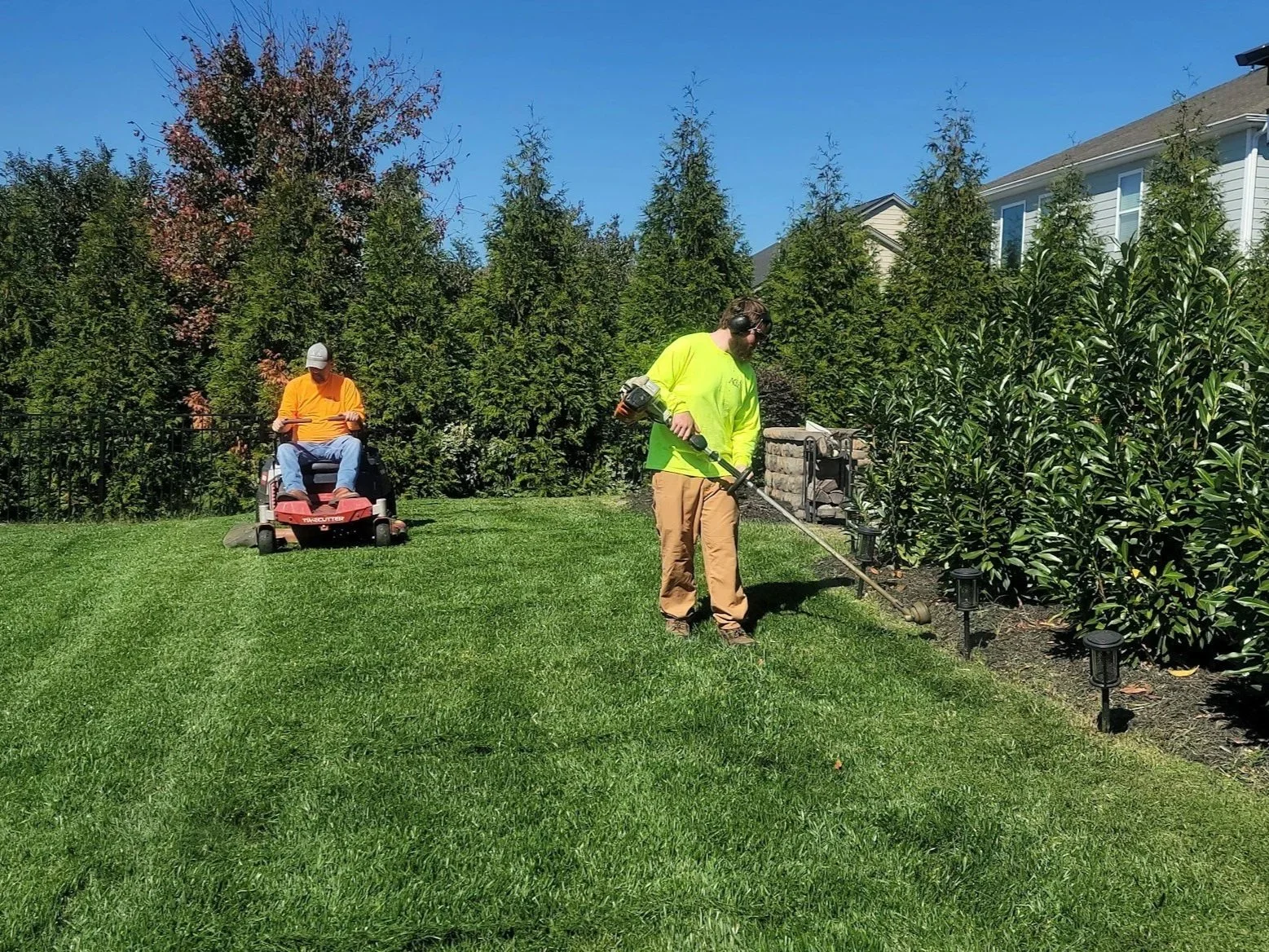
One of my clients who lives in Buckhead (one of the fancier neighborhoods in Atlanta) recently said to me, “I tried to look around at my neighbor’s houses for landscaping inspiration, but all of them were so boring! No color, no flowers, just plain green hedges in the background and grass in front.” (I tried to politely keep my mouth shut, but I am sure my face was loudly agreeing with her). Most landscapers (even expensive ones!) will throw down a carpet of lawn and a few evergreen foundational shrubs and call it done. I, on the other hand, am into some pretty wild stuff. But of course, I get it - being unruly is not for everyone!
So what do you do if you aren’t interested in the look of a wild and colorful cottage or woodland garden (suit yourself!), but you also don’t want a super boring, soulless suburban yard? I got you. Below are 10 of my favorite beautiful, native plants (shrubs, perennials, and groundcovers) that fit perfectly with a more tidy, traditional landscape aesthetic. A lot of these are some of the most common plants I put in for my Atlanta garden consulting clients!
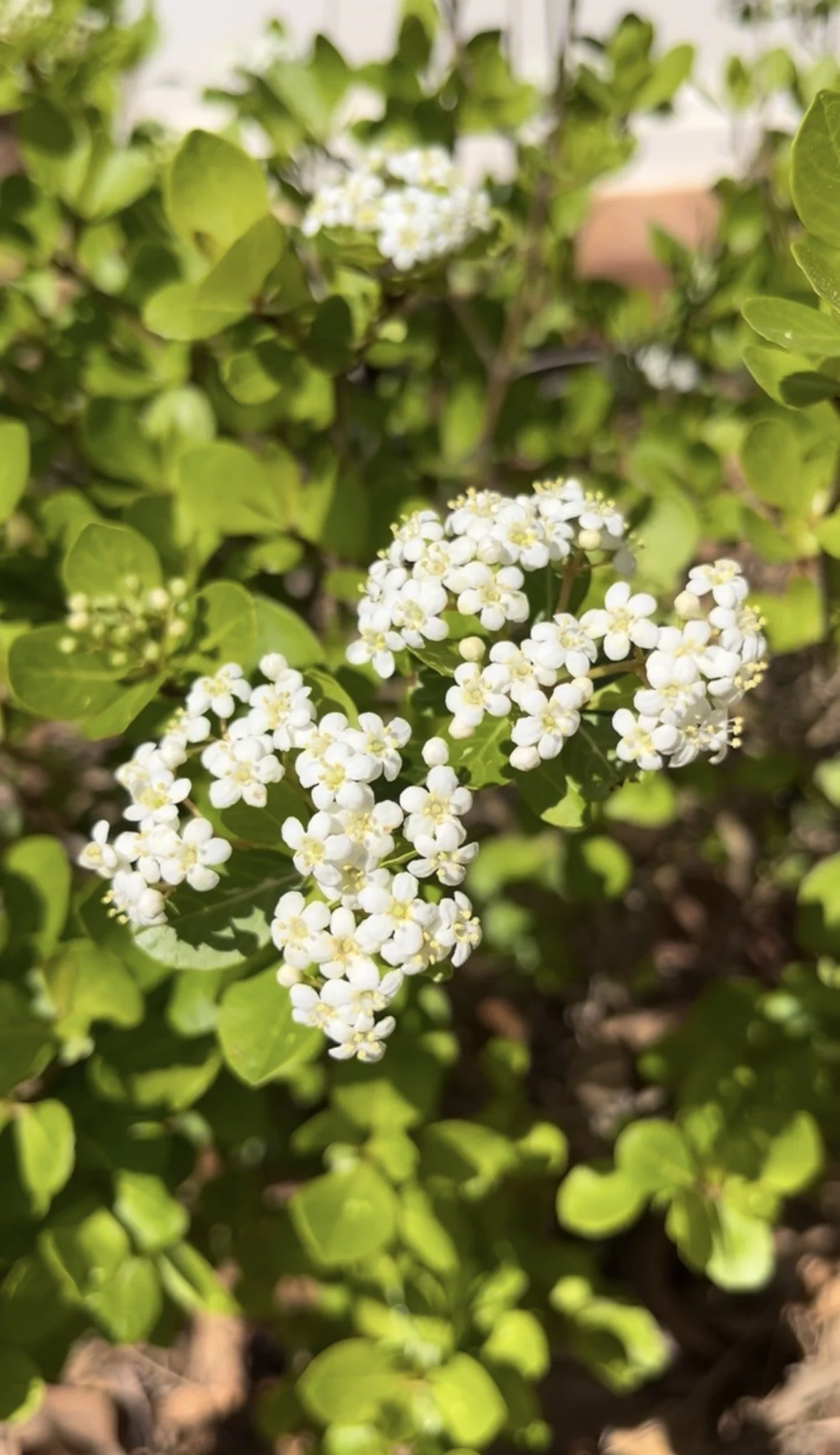
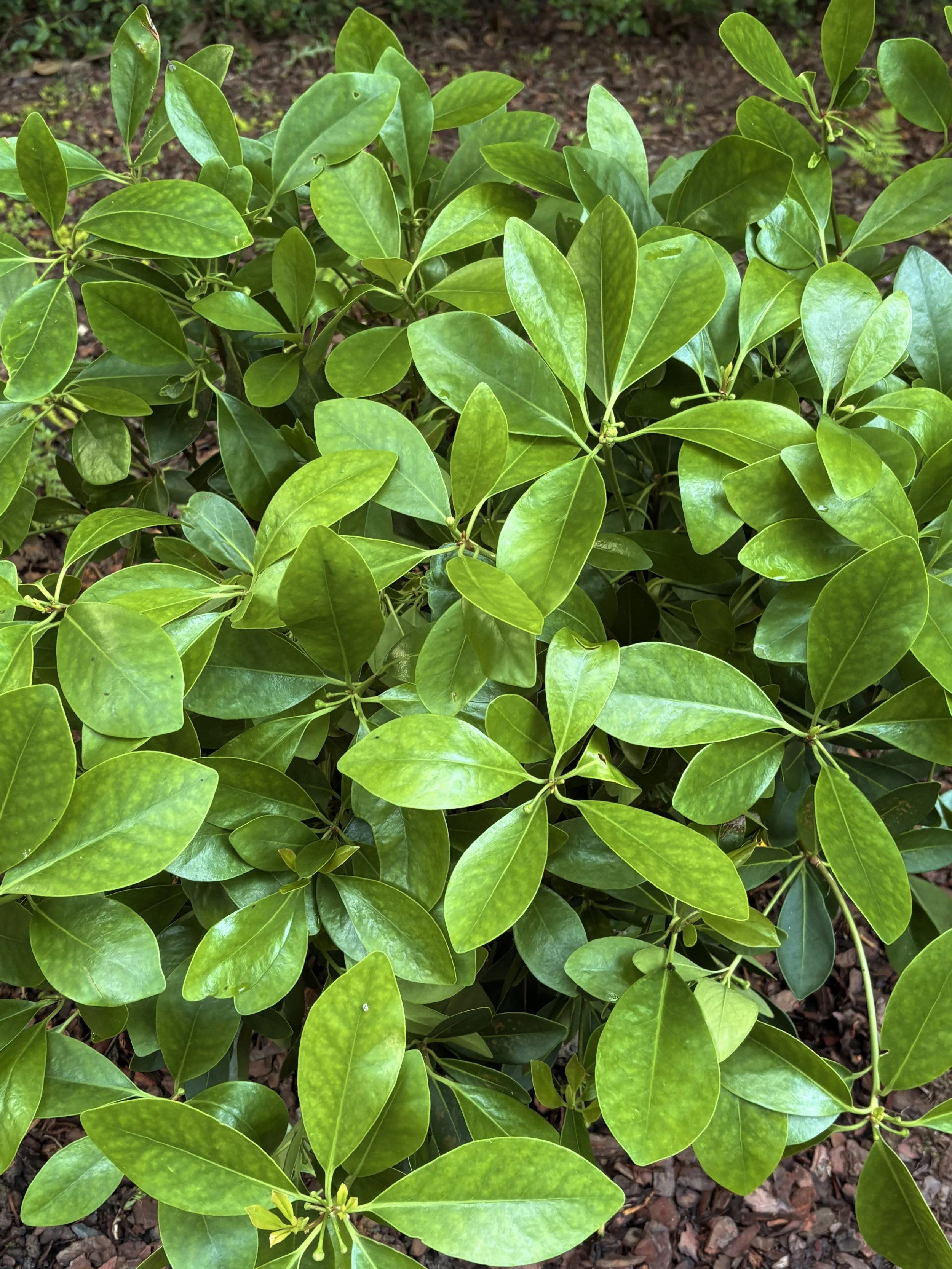
1. ‘Mrs. Schiller’s Delight’ Viburnum (Viburnum obovatum)
This is a great alternative to boxwood! It is evergreen in Atlanta except in a very hard freeze. It has little white flowers and stays compact, averaging around 3’ tall and wide. Can tolerate soggy soil as well as dry spells once established. Full to part sun, deer resistant! Zones 6-10.
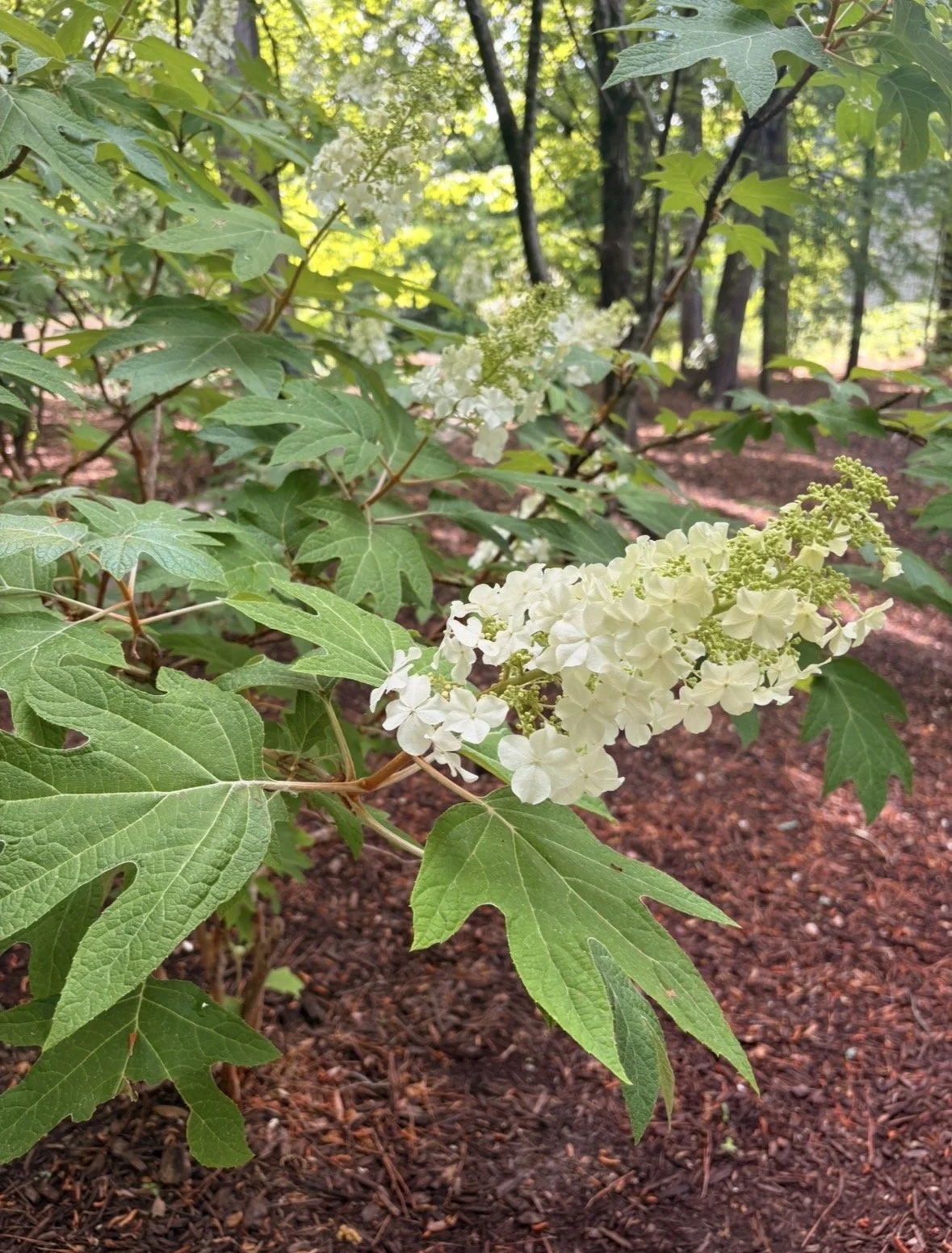
2. Oakleaf Hydrangea (Hydrangea quercifolia)
One of my all-time favorite native plants! Stunning blooms start light green, maturing to off-white, turning blush, and then tan. About 6’ tall and wide, but dwarf varieties are smaller. Likes moisture but will tolerate drier conditions than most hydrangeas. Part sun to full shade (will not tolerate much afternoon sun in Atlanta). Deer resistant for a hydrangea, but still a hydrangea. Zones 5-9.
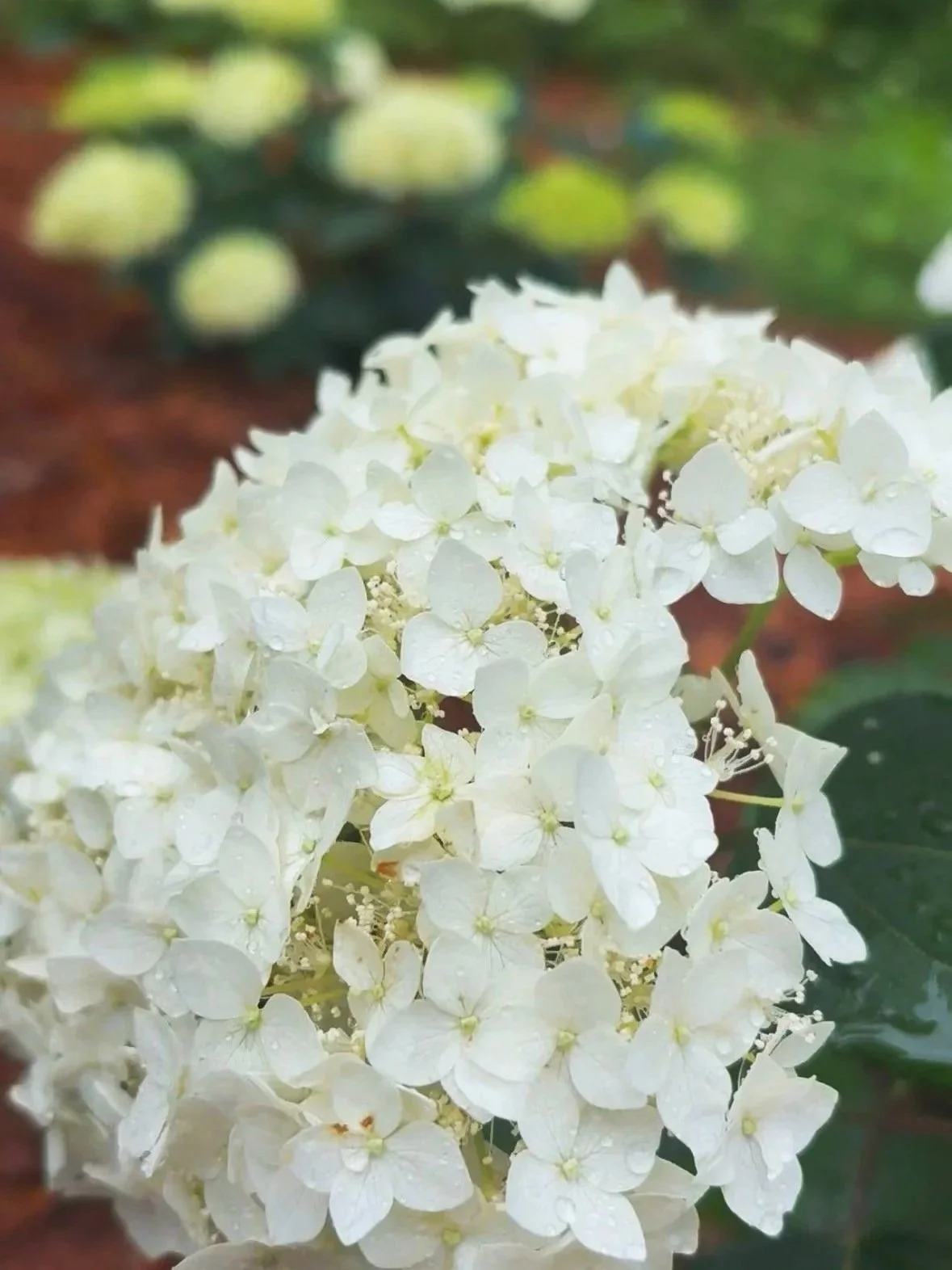
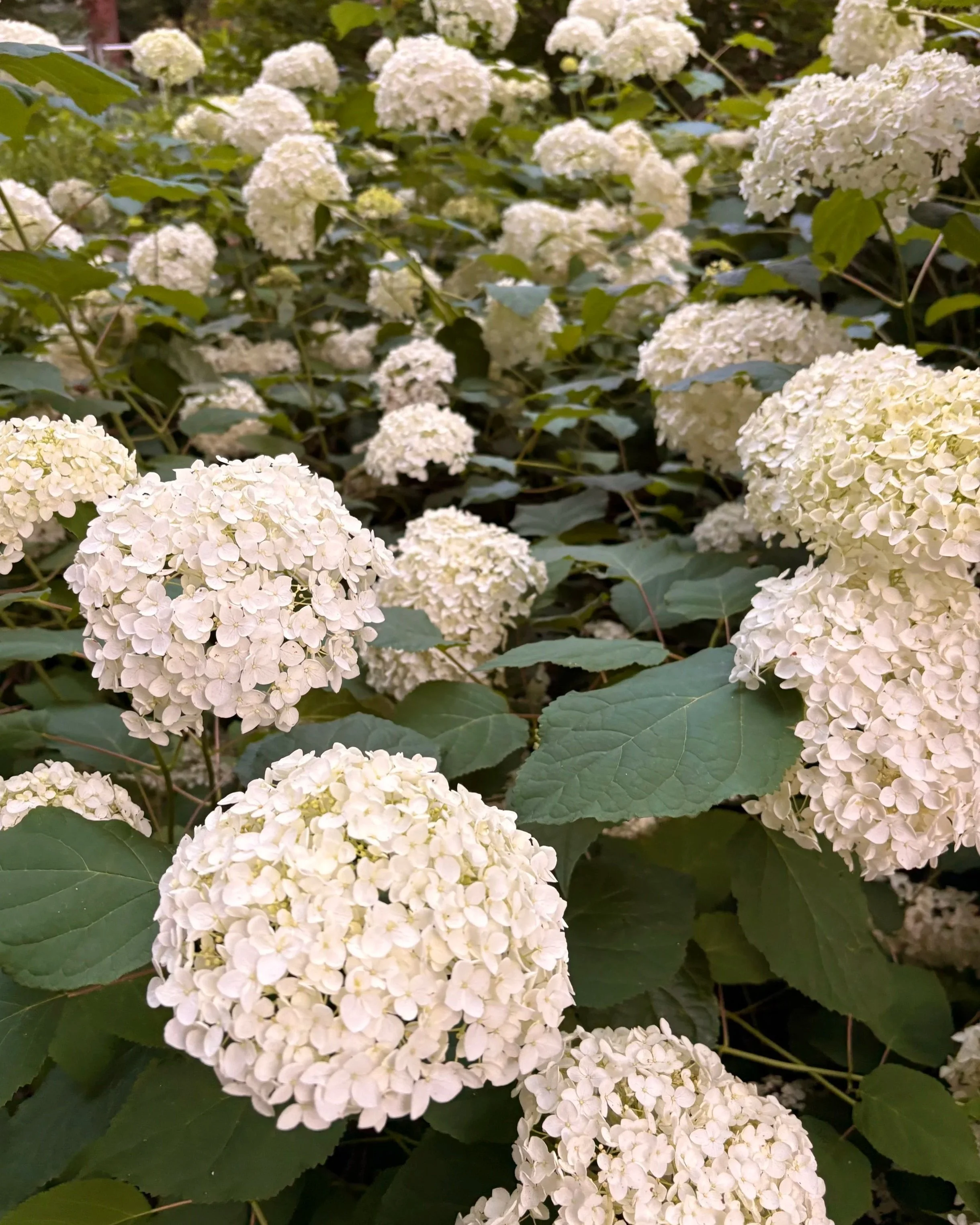
3. ‘Flowerfull’ or ‘Incrediball Stormproof’ Wild/Smooth Hydrangea (Hydrangea arborescens)
A native hydrangea with huge, gorgeous blooms that are round and white. These two varieties are less prone to flopping in rain like ‘Annabelle’. About 4’ tall and wide. They like water - be sure to mulch around them to help retain moisture. Part sun to part shade; afternoon sun will probably roast it in the South. Deer will likely chomp (especially new plants!). Zones 3-8.
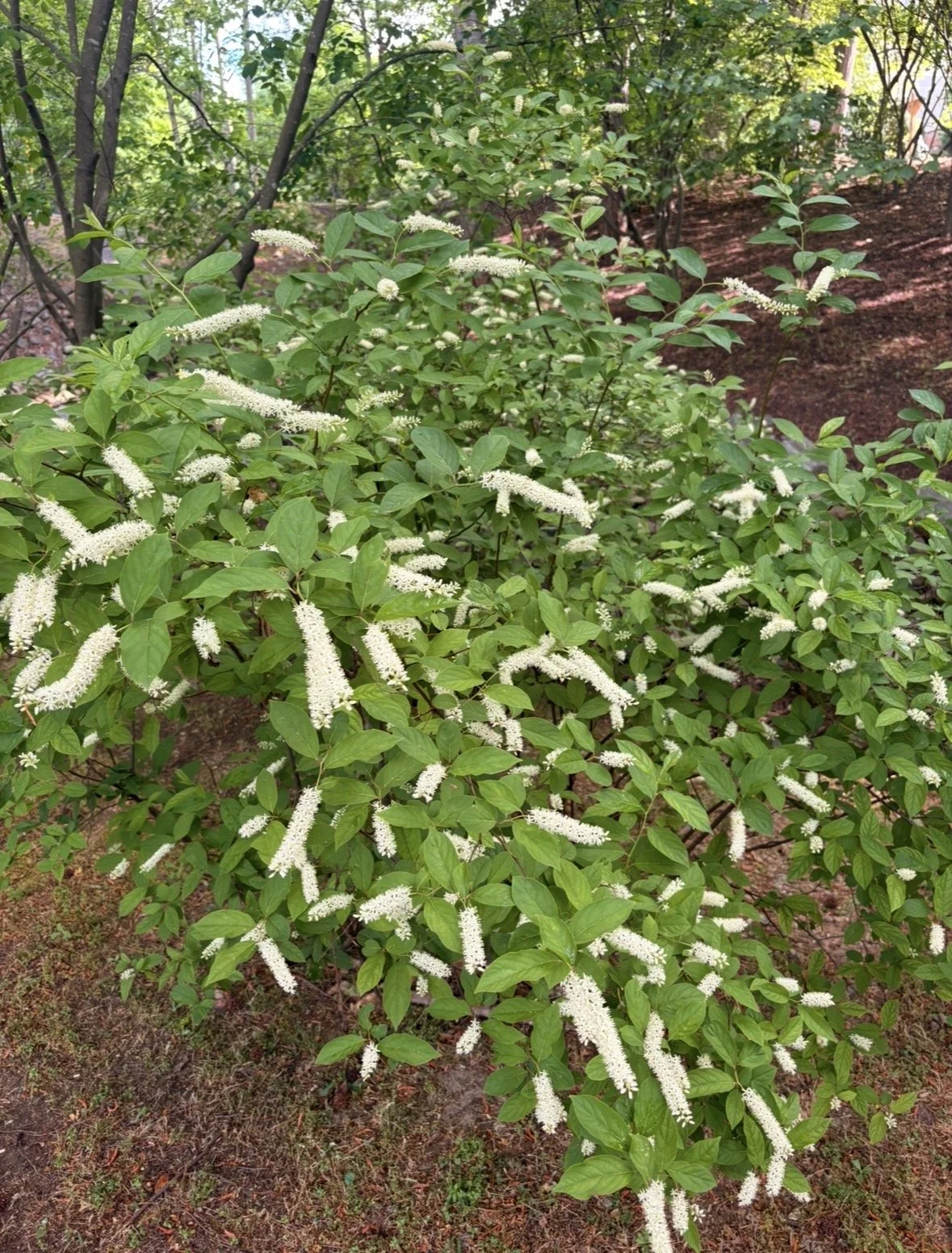
4. Virginia Sweetspire (Itea virginica)
A criminally underutilized native shrub. Around 5’ tall and wide, but you can look for 'Little Henry’ for a dwarf variety. Can handle pretty much anything: full sun to part shade, heavy clay, super soggy conditions, and occasional dry spells once established. Butterfly host plant, semi-evergreen, and deer resistant! Zones 5-9.
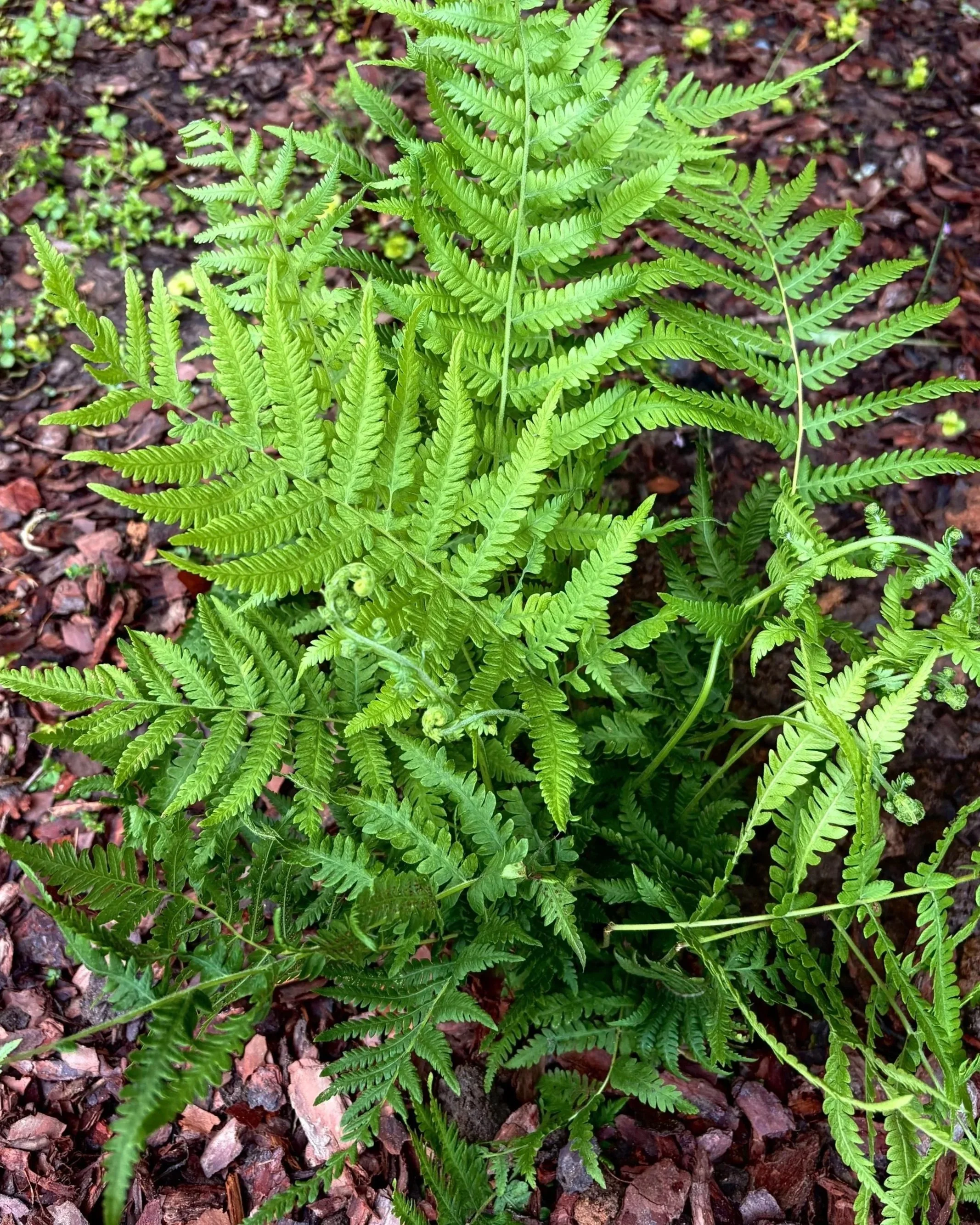
5. Christmas Fern, Southern Shield Fern, Southern Woodfern (Polystichum acrostichoides, Dryopteris ludoviciana, Thelypteris kunthii)
Ferns add beautiful texture and movement to shady spots, and they are great en masse for controlling erosion. Christmas fern is evergreen and stays small at 1-2’. The other two are semi-evergreen (they will turn brown or disappear in a hard freeze) but they are larger, usually around 3’ tall and wide. They all like plenty of water but not necessarily waterlogged soil — christmas fern especially can struggle in very heavy clay. No more than a few hours of sun, ideally none in the hot afternoon. Deer tend to leave ferns alone in general! Christmas fern Zones 3-9, others 7-10.
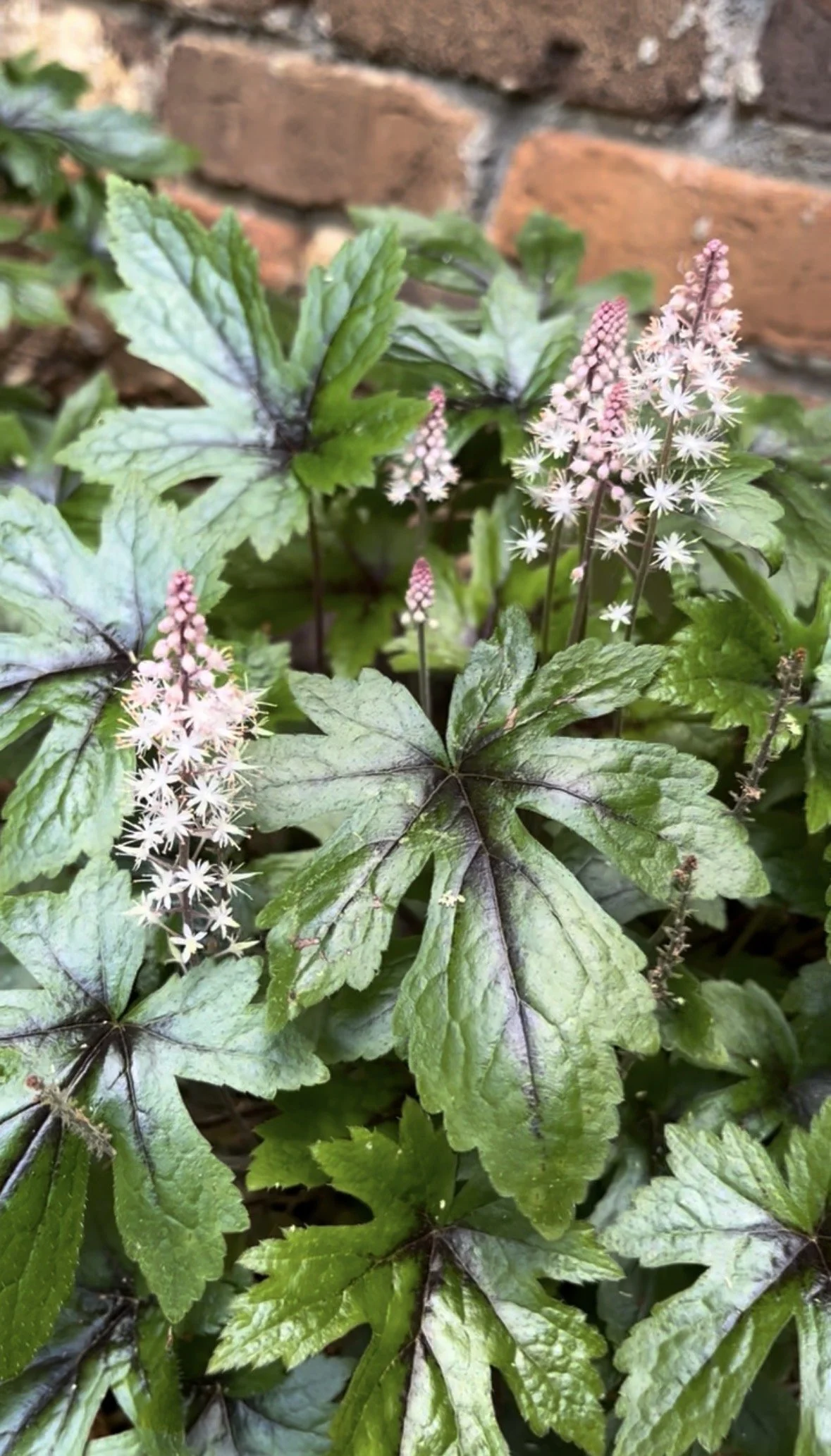
6. Foamflower (Tiarella cordifolia)
A great little perennial groundcover for shade. The flowers dance in a breeze, and they will bloom even in deep shade. They like moisture, but can struggle if the soil is consistently very soggy. Usually around 12” tall and very deer resistant. Zones 4-9.
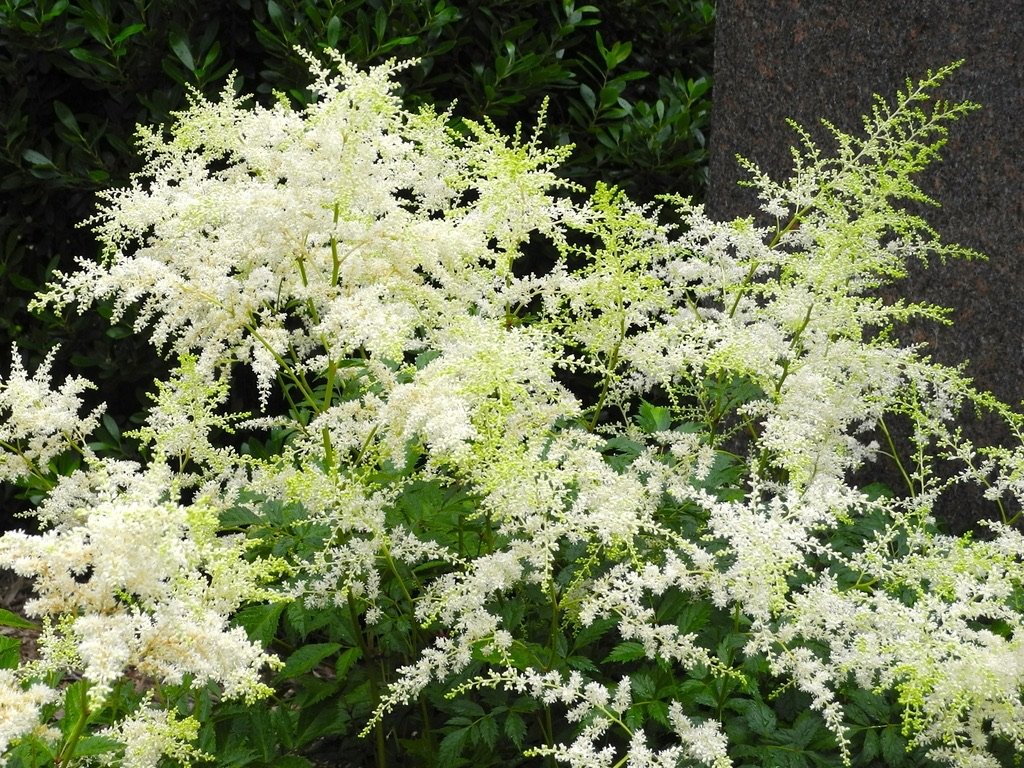
7. False Goastbeard (Astilbe biternata)
Huge, feathery blooms to add interest to a shady spot. Usually around 4’ tall, deer resistant, but will not tolerate hot afternoon sun. They like moisture. This is the only astilbe native to North America, but the asian ones commonly found in nurseries are not invasive and behave nicely in gardens. Zones 5-8.
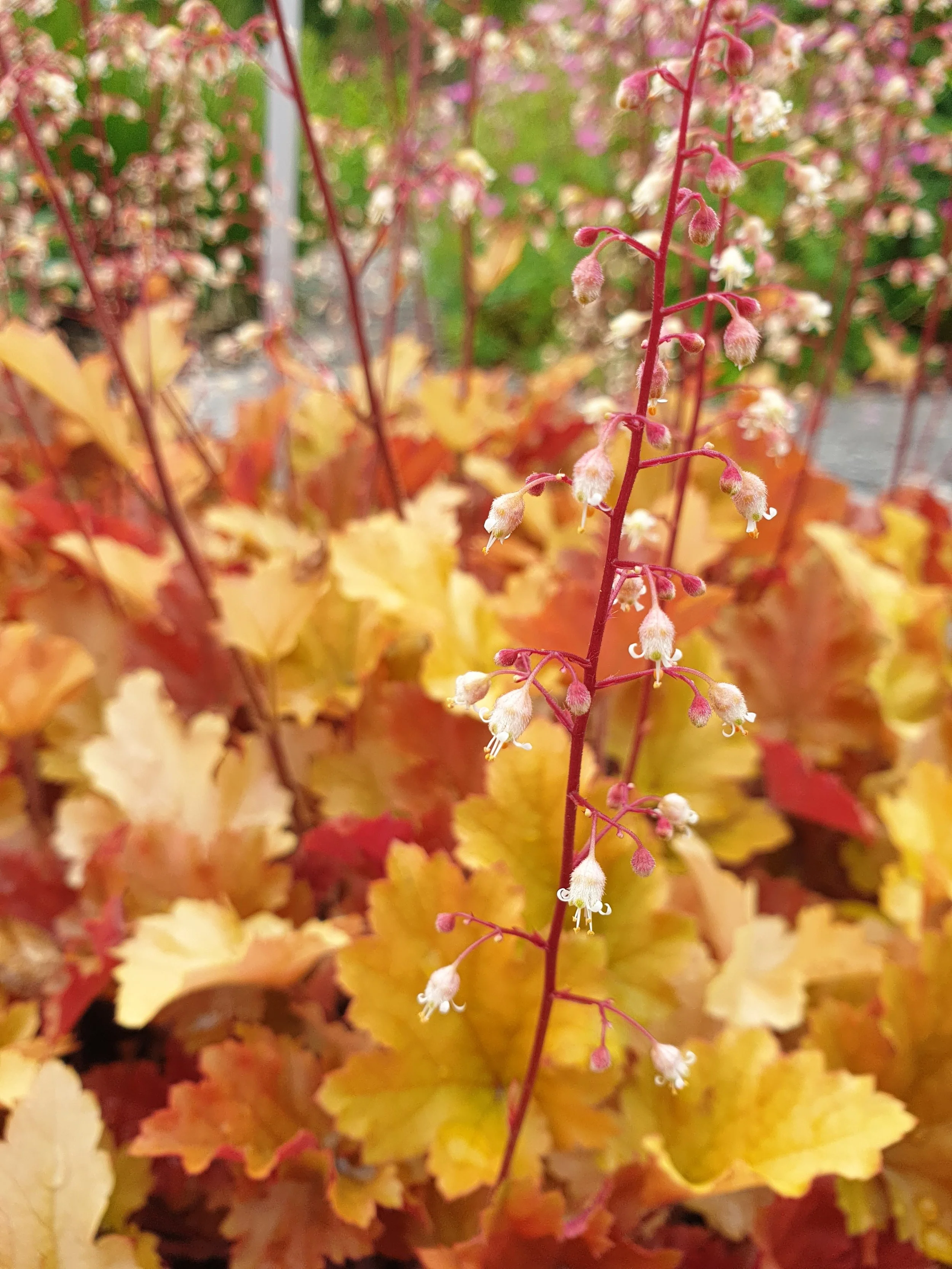
8. Coralbells (Heuchera)
A cute native, deer-resistant alternative to hostas! Part sun to shade, usually 1-2’ tall and wide. Come in a million colors. Does not like soggy soil, can struggle in heavy clay that doesn’t drain well. Zones 4-9.
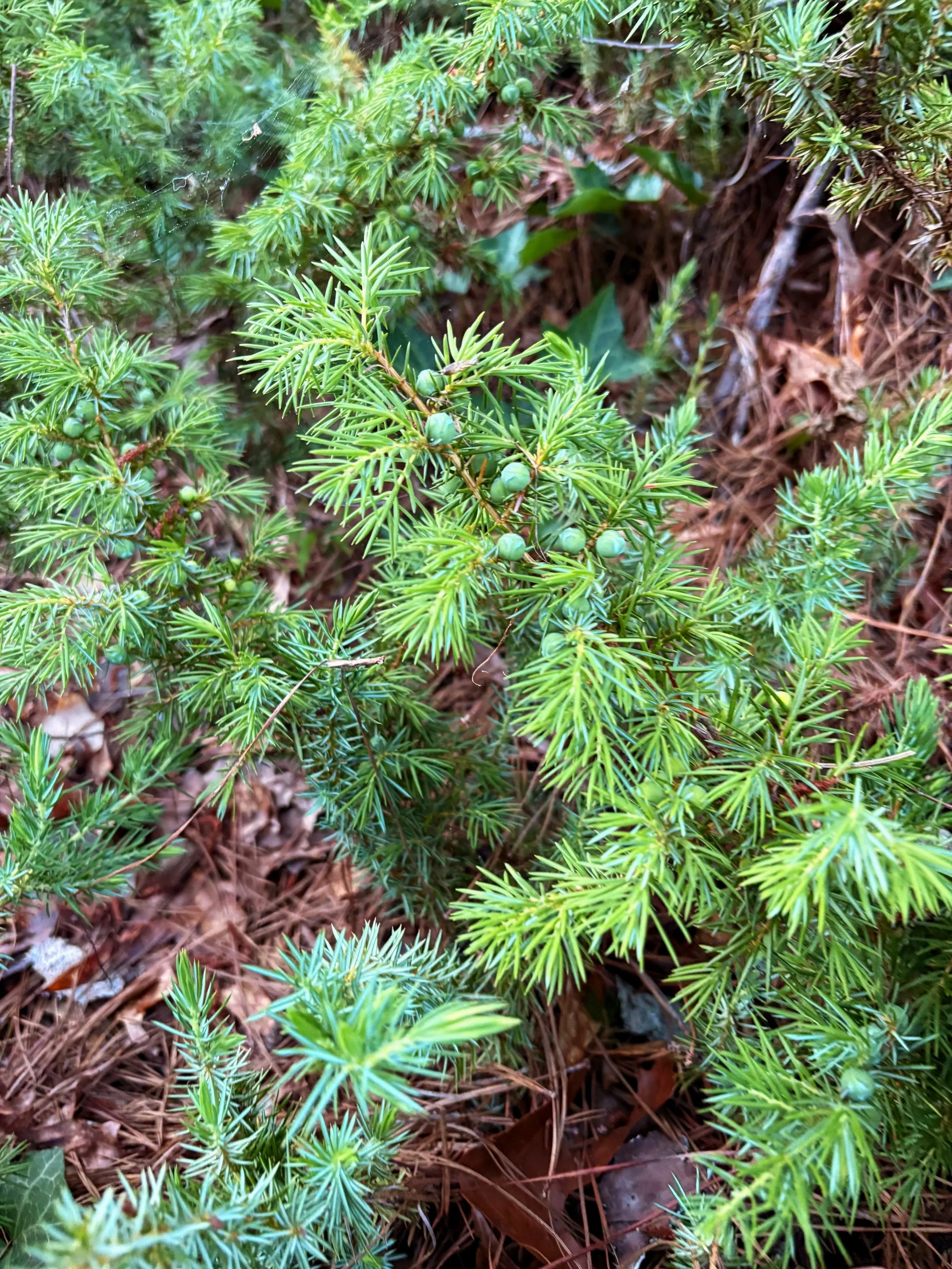
9. Blue Rug Juniper (Juniperus horizontalis)
This trailing, creeping native groundcover stays under a foot tall, but can spread 6-8ft in width! It’s a common choice for stabilizing a sunny slope in Atlanta because it prefers dry, well-draining soil (it’s very drought tolerant once established). It appreciates a little afternoon shade if possible. I like to see it cascading over a stone wall! It’s evergreen, and deer don’t touch it. Zones 3-9.
10. Florida Anise or Ocala Anise (Illicium floridanum or parviflorum)
My favorite evergreen screening shrubs/trees for shade! Ocala ‘Parviflorum’ is more common in nurseries and can actually tolerate up to full sun as long as it gets enough water. They both prefer consistent moisture. Toxic to deer and quickly grows to around 10’ tall and 6’ feet wide, with dwarf varieties staying smaller. Zones 7-9.
Don’t fall into the trap of thinking you have to choose between the aesthetic you like and supporting your local ecosystem. Native plants come in so many colors, shapes, sizes, and varieties that I promise there is something for everyone. And adding even just one native plant at a time absolutely does make a difference! Songbirds, caterpillars, and pollinators depend on these native species for survival. Native plants often require much less maintenance than non-natives, because they were perfectly designed by mother nature to thrive in your local ecosystem. They are adapted to survive using only our natural local soil nutrients and normal levels of rainfall, so you can happily skip the headache and cost of adding a lot of synthetic chemical fertilizers, fungicides, pesticides, or extra irrigation. Last, some native plants can sequester as much as 9 times more carbon than invasive species. If you are interested in making eco-friendly changes to your landscape, but are afraid of it looking wild or messy, I hope you’ll start with the list above! And if you’re looking for more in-depth, custom help with your Atlanta garden or landscape, you know where to find me!